Choosing a 2D LiDAR for indoor SLAM
Range, scan rate and the blind band under the turret decide whether a map converges or drifts. This guide compares what to look for and lists the parts that go with it.
IntermediateTarget budget €350.00From €170.11 with the cheapest option at every step
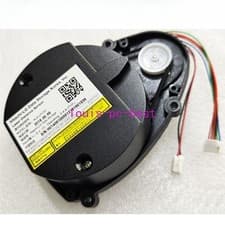
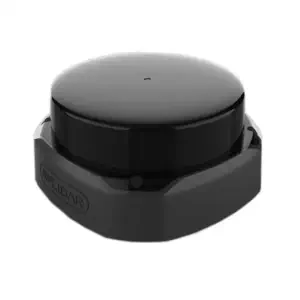
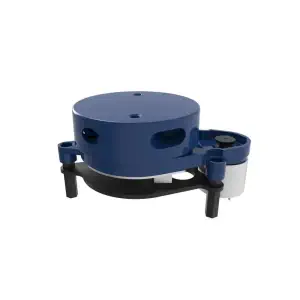
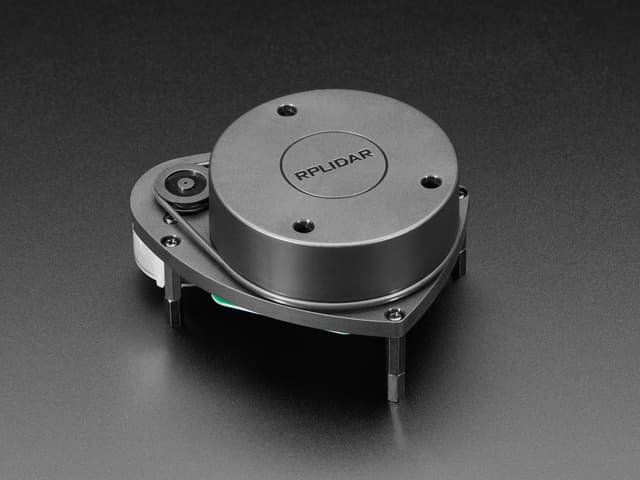
1.The scanner itself
Indoors, twelve metres of range is enough and more range mostly buys noise. What matters more is the scan rate against your robot's speed: a slow scan on a fast base smears the map, because the robot has moved between the first and last point of a revolution. Triangulation units are cheaper and lose accuracy past a few metres. Time-of-flight units hold their accuracy and cost more.
Assembly
- Multiply your top speed by the scan period to get the distortion per revolution, and keep it under a few centimetres.
- Check the minimum range as well as the maximum, since a blind zone of 20 cm hides the robot's own bumper.
- Confirm the unit publishes a ROS 2 driver or a documented serial frame format before buying.
- Mount the turret above every other part of the robot, or it will map its own chassis.
2.Wheel encoders× 2
SLAM without odometry works and converges slowly. Encoders give the algorithm a motion prior between scans, which cuts the search space and stops the map from folding on itself in a corridor with few features.
Assembly
- Pick a resolution that gives at least a few hundred counts per wheel revolution.
- Measure the real wheel diameter under load rather than trusting the datasheet, since the error goes straight into the odometry.
- Calibrate the wheel base by driving a known square and correcting the accumulated heading error.


3.An IMU for heading
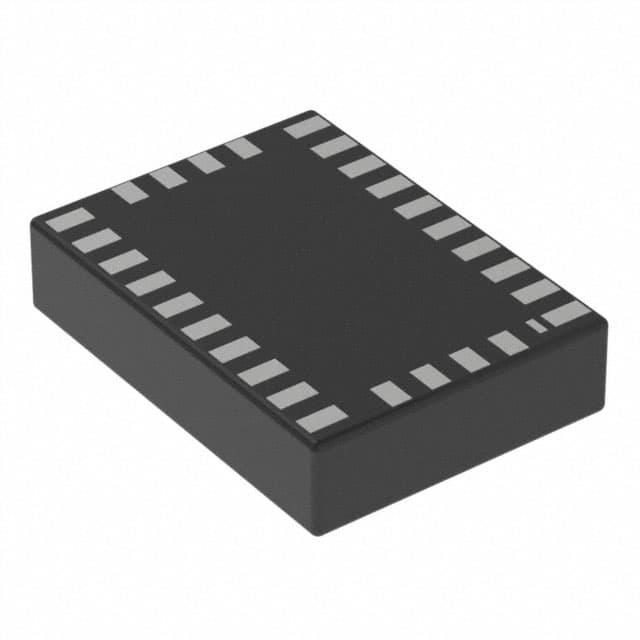
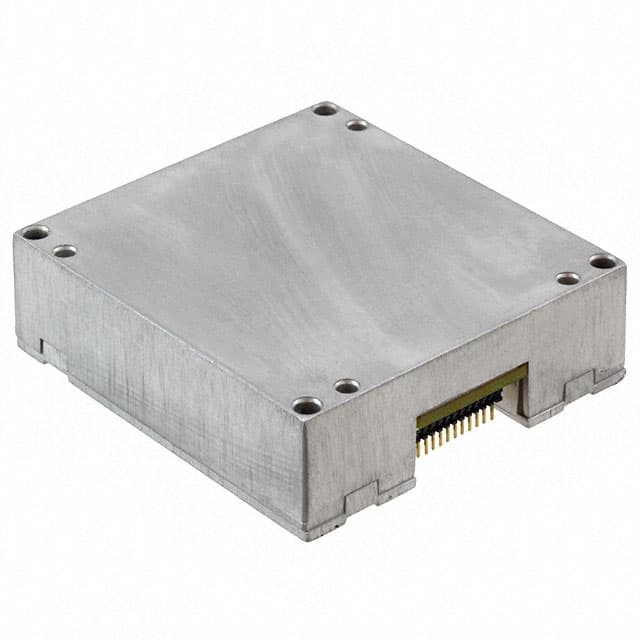
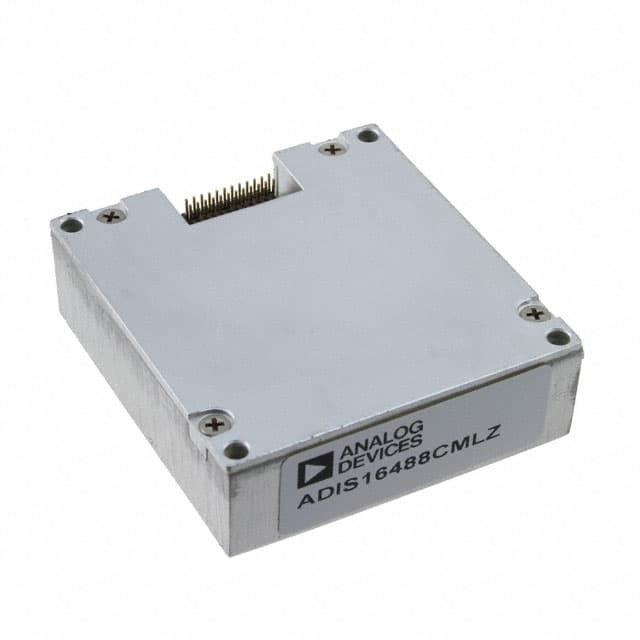
Wheel odometry drifts in heading as soon as a wheel slips. A gyroscope fused with the encoders keeps the heading honest over a full mapping run, which is the difference between a map that closes its loop and one that does not.

4.Compute for the mapping stack
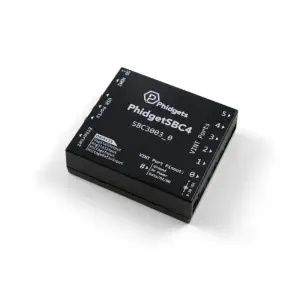
A 2D SLAM stack runs comfortably on a small single-board computer. Give it a real power supply and a heatsink: thermal throttling shows up as dropped scans, which look like sensor faults and are not.


Parts are selected by the search engine on price, stock and specifications, never on affiliate commission. Robotitem does not test these products.