Adding vision to a Raspberry Pi robot
A camera, enough light, a way to keep the board from throttling, and a realistic view of what runs at what frame rate on this class of hardware.
IntermediateTarget budget €200.00From €129.56 with the cheapest option at every step
1.The camera module
A rolling shutter sensor is fine for a stationary robot and produces skewed images on a moving one. Global shutter costs more and removes the skew entirely, which matters as soon as you track anything while driving. Field of view is the other decision: wide angle sees more and distorts the edges.
Assembly
- Choose global shutter if the robot moves while the camera is used, and rolling shutter otherwise.
- Match the ribbon cable connector to your board revision, which changed between generations.
- Fix the lens focus once and lock it, because vibration walks an unlocked lens out of focus over a few hours.
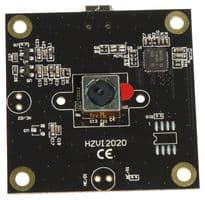
FarnellDiscontinued
EMBEST - CAM8200-U MODULE - Carte Fille, Module caméra, Caméra USB 5Mp, Résolution 2592×1944, Auto-Focus
€26.34
View at seller ↗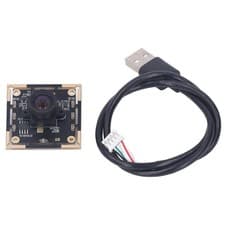
eBayIn stock
Module de caméra 1MP USB2.0 Sortie Carte de caméra d'ordinateur 100 degrés av...
€34.49
View at seller ↗
2.Lighting
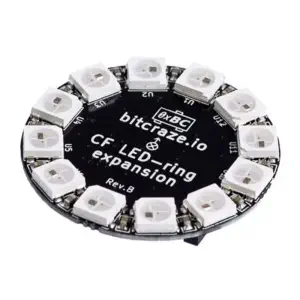
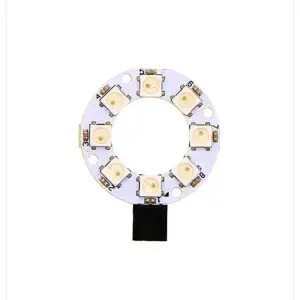
Most vision problems on small robots are exposure problems. A ring of white LEDs around the lens fixes indoor scenes at a fraction of the cost of a better sensor. Drive it from the motor supply rather than the board's regulator.


3.Cooling and power
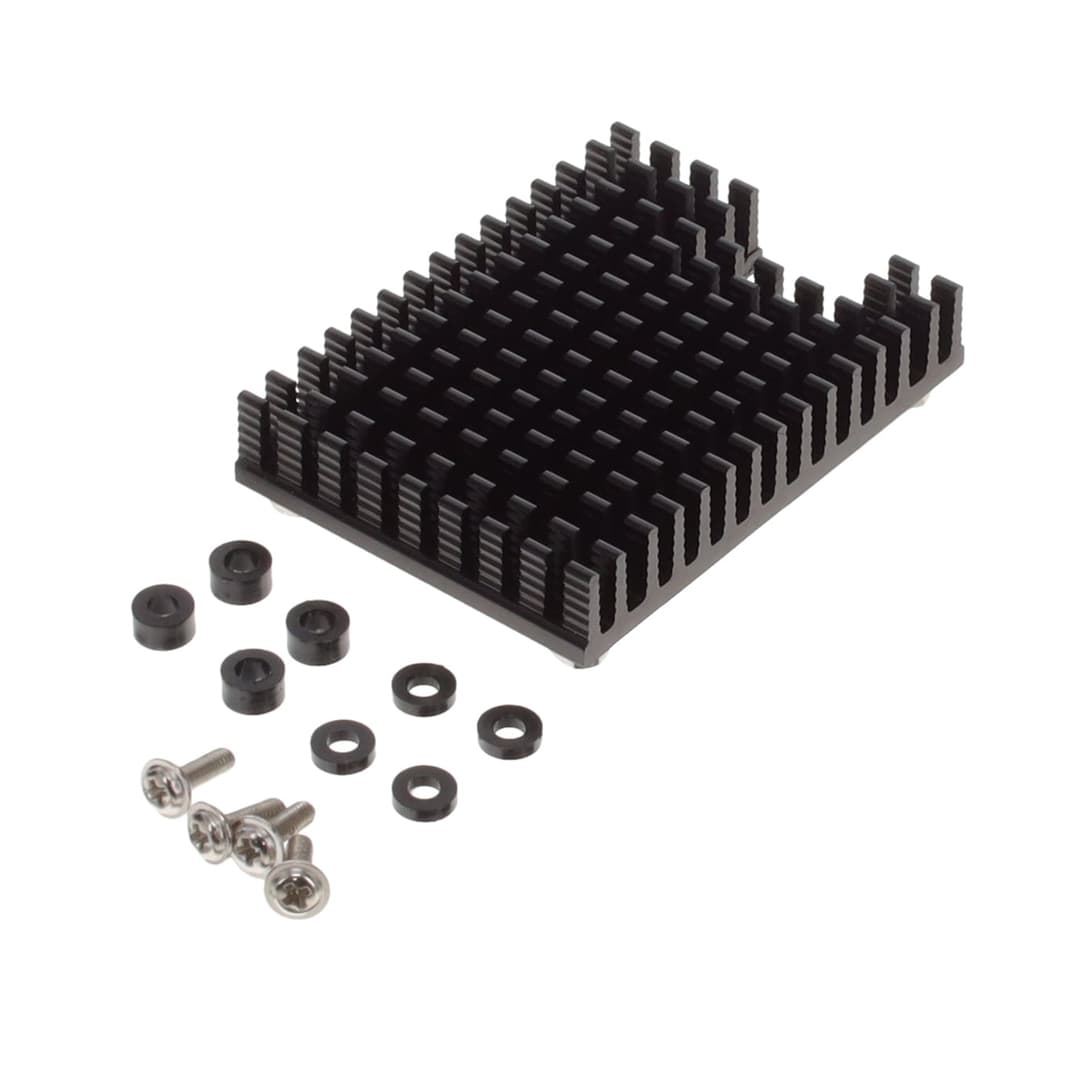
Continuous image processing keeps the processor at full load, and a throttled board drops frames without reporting an error. A heatsink and a fan cost a few euros. An undersized supply produces the same symptom for a different reason, so rule both out before blaming the code.


4.Accelerator, if the frame rate calls for it
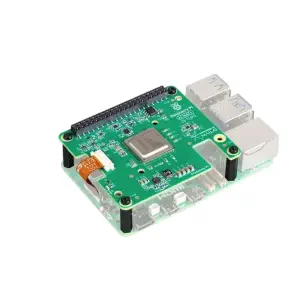
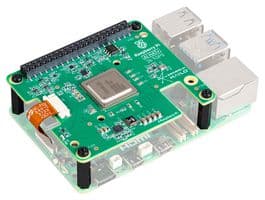
Classical vision, colour tracking and marker detection run fine on the processor alone. Neural inference does not, above a few frames per second. A USB or M.2 accelerator moves that work off the processor and adds its own power draw to the budget.


Parts are selected by the search engine on price, stock and specifications, never on affiliate commission. Robotitem does not test these products.