A ROS 2 robot arm you can actually afford
Six axes, a serial bus, one controller and a power supply sized for stall current. The parts list below is rebuilt from live stock on every visit, so it never points at a discontinued reference.
AdvancedTarget budget €700.00From €166.38 with the cheapest option at every step
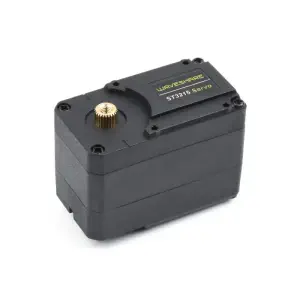
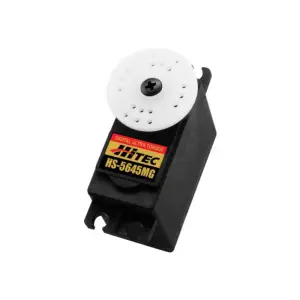
1.Bus servos for the six axes× 6
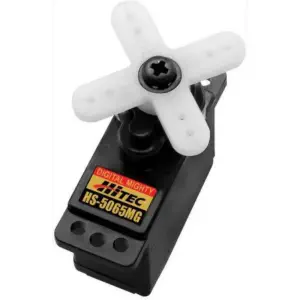
Serial bus servos report their position, temperature and load back to the controller, which is what makes closed-loop control possible without adding encoders. Torque requirements fall off along the arm: the shoulder carries everything, the wrist carries the gripper. Size the first two joints on the fully extended arm with a payload, then step down.
Assembly
- Compute the shoulder torque as payload mass times full reach, then add the mass of the arm itself at half reach.
- Apply a factor of two on the result, because a stalled servo at its rated torque overheats within minutes.
- Keep every servo in the same family so they share one bus protocol and one voltage.
- Give each servo a distinct bus ID before mounting it, since the connector is unreachable once the arm is assembled.
Parts are selected by the search engine on price, stock and specifications, never on affiliate commission. Robotitem does not test these products.